

Authentic Arabica Coffee Beans
Arabica coffee beans are more sweet and less bitter than Robusta plants, and may be characterized by a fruity or chocolatey flavor. However, the degree of roasting and the method of brewing can alter these characteristics in a significant way.
Many high-end coffee shops and supermarkets use arabica beans. Some coffee shops have certifications such as fair trade or organic.
Origin
When it comes to coffee, there is numerous varieties. Some coffees are from single origin countries, while others come from a blend of beans from different origins. The highest quality coffees, however, are made of authentic arabica beans. These beans have a long tradition that dates back to the ages. The first known coffee plants were grown in Ethiopia and a legend claims that they were discovered by a goat herder named Kaldi. He observed that his flock was particularly active after eating red berries of a specific tree. After eating the berries, it was apparent that he had the same energy boost and began to cultivate the coffee plant.
In addition to the altitude and climate, the growing process and brewing methods also have an impact on the final taste of coffee. The beans can come with various flavors, from sweet to bitter, with hints of fruit and chocolate. In certain cases, they might have a floral or spicy scent. The type of coffee beans used can also affect its flavor. Certain varieties have a milder flavor than others.
The seeds of Coffea arabica are flat, oval and have an opening at the top. Raw, they are a greenish-yellow color. After roasting, the color shifts to a light coffee brown. The seed is protected by a paper-like material and a silver-colored skin. The coffee bean's name comes from its journey through Arab traders.
Authentic arabica is widely regarded to be the best-tasting and highest quality coffee available. It is usually located in upscale coffee shops and gourmet cafes, however it is also available at major chain stores. It's a favorite morning beverage for a lot of people and is a favorite of espresso enthusiasts.
Choosing between single-origin or blend coffee is based on your personal preferences and desired taste experience. Single-origin coffees are recommended for those who want to experience the unique flavor of a specific region, while blends are more balanced and smoother taste.
Cultivars
Arabica beans have a light sweet taste that is infused with fruit and floral aromas. They are generally light to medium in body. The distinctive flavor profile makes it the main ingredient in gourmet and specialty coffees. The taste of arabica coffee is distinct from its less expensive cousin, Robusta. Robusta is often found in instant coffees, coffee-flavored drinks and coffees brewed in Asia. They are typically combined with sugar to hide their bitterness.
Cultivars are particular varieties of arabica that have been bred to achieve certain flavor characteristics or to develop in certain conditions. Presently, there are a number of cultivars that thrive at different temperatures and altitudes across the globe. These include typica, bourbon catuai, typica, and Mundo Novo. In addition to cultivars, there are also landrace varieties that are the result of naturally occurring mutations in coffee plant seeds. Cultivars and landraces as well as hybrids are selected, crossed-pollinated and bred to improve yields, disease resistance and many other factors.
While arabica can be grown in any climate however, the best quality beans come from regions that have a higher elevation and milder climate. This includes Ethiopia, where heirloom cultivars like Yirgacheffe and Sidamo provide lively flavors and complex notes, influenced by the climate of the region and its altitude. Geisha coffee, a unique kind of arabica that originates from the town of Gesha in Ethiopia has received international acclaim for its exceptional quality and distinctive flavor profile that includes jasmine and fruity overtones.
Other arabicas of high-quality are grown in Central and South America. Colombia and Brazil produce beans with moderate acidity and a full-bodied taste. The beans grown in these regions can be roasted light or dark and produce a wide variety of flavors. Other countries like Vietnam and Indonesia also produce arabica beans with more mild flavor with balanced acidity and a light body.
Certifications
Arabica beans are a favourite among coffee drinkers due to their distinctive taste and high quality. This special variety is grown across several continents and offers a wide variety of flavors and notes that will please even the most discriminating palate.
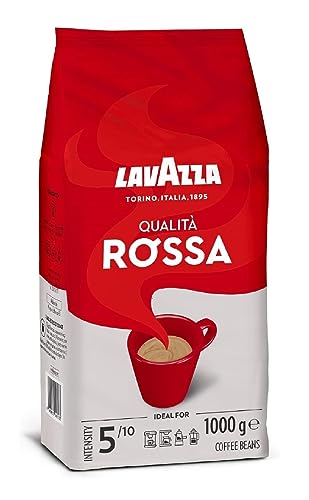
It's important for coffee lovers to be aware of what they're drinking and where the beans come from. The origin of the coffee bean as well as the conditions that it grows under can affect the flavor and smell. The brewing method will also impact the taste and smell of the coffee.
Ethical sourcing is a priority for many specialty coffee roasters. They are committed to ensuring fair wages for farmers, sustainable farming methods, and organic certifications. This is an essential component of the coffee industry and an essential part of an environmentally sustainable supply chain.
If you're searching for an exclusive or blend variety, make sure you look for the following certifications to make sure you are purchasing high-quality arabica beans:
Bird Friendly is an eco-friendly standard that has been endorsed by the Smithsonian Migratory Bird Center. arabica coffee beans in bulk encourages farmers to safeguard the habitats of migratory birds as well as their habitats. Only coffee that has been certified by the center can be labeled as Bird-Friendly.
The Rainforest Alliance is another global sustainability standard that certifies a range of crops, including coffee. This program is not as strict as the Bird-Friendly certification however, it is still focused on environmental concerns. Furthermore, this certification requires the use of environmentally-friendly processing methods.
Direct Trade is another option that allows coffee farmers to establish long-term partnerships. The buyer can then invest in the community and the farm and provide a stable price to the farmer. However, it is important to note that this type of sourcing model doesn't have the same level of transparency and accountability as other certifications.
The popularity of arabica coffee has led to increased demand and better farming practices. These improvements are helping keep this popular crop sustainable for the generations to come. However, it is important to remember that climate change and other issues could threaten the cultivation of this species. Numerous organizations continue to look into ways to improve coffee processing and cultivation techniques to help the industry grow.
Blends
Arabica is the most adored coffee around the world, and is known for its rich flavor and delicate taste. This particular version is not as bitter as Robusta, its main competitor. Robusta and offers an even, vibrant bouquet of flavors. However, the quality of its taste and quality is dependent on various factors, including the variety, conditions for growth processing methods and brewing methods.
Whatever coffee you select, all varieties of Arabica beans have a lower amount of caffeine than Robusta beans. This means that you can sip a cup of this delicious beverage without adverse effects, like jitters and stomach cramps. Arabica coffee is also ideal for those who have sensitive digestive systems due to its low caffeine content.
To provide our customers with the best arabica coffees, we carefully selected the top beans, then they were roasted in Molise, Italy, in small batches. The result is a balanced full-bodied, full-bodied coffee that has a sweet caramel aroma and notes of chocolate. This is the perfect coffee to enjoy a relaxing evening with your friends or to begin your day.
The most important and ancient variety of Arabica is Typica, which is known for its clean and sweet flavour. It is considered one of the fundamental "parent" beans and provides a perfect balance between sweetness and acidity levels. Its biggest drawback is that it is not a high yield and is prone to diseases and pests.
Another intriguing and versatile Arabica bean is Bourbon. The cultivar was developed on the island of Reunion which was previously known as Ile Bourbon, and has since been cross-bred with other coffee varieties to produce new varieties that are more resistant to disease. Bourbon beans are known for their bright, sweet flavour and balanced acidity level.
The aroma and taste of Arabica differ based on its origin, since the particular soil composition, climate, and cultivation methods influence the coffee's flavor profile. For instance, Indonesian coffees often have notes of earthiness, while those from Ethiopia may have fruity or floral notes. Additionally the roasting process can also influence the flavor of Arabica coffee. Lighter roasts allow the beans to retain their original flavors, while darker roasts impart the taste of a stronger one.